Portland Councilors Propose Small Business Tax Relief
Portland city councilors propose a tax overhaul to aid small businesses, while corporate treasurers face challenges integrating fragmented payment systems.

A coalition of Portland city councilors is pushing for a tax change to provide relief for thousands of small businesses. Separately, corporate treasury departments are grappling with the complex task of connecting disparate financial systems and payment networks.
Portland's Fair Share Tax Proposal
Council President Jamie Dunphy and five other councilors introduced the Fair Share Tax proposal on October 8, aiming to deliver tax relief to 18,000 small businesses while raising an estimated $72 million for city services. The proposal would increase an existing surtax on corporations with large gaps between CEO and worker pay, a ratio that has grown from 21-to-1 in 1965 to 325-to-1 in 2025.
Supporters argue the policy is data-driven, citing research that extremely large pay gaps undermine company productivity and that large corporate tax cuts do not improve affordability or employment. Councilor Angelita Morillo stated, "This is a system that has created a trillionaire while schools are closing." An expert panelist, Sarah Anderson, noted that raising the surtax gives corporations incentive to narrow pay gaps by lifting worker wages or reducing executive pay. The proposal received overwhelming public support during committee testimony, with backing from small business alliances, labor unions, and community organizations.
Treasury System Integration Hurdles
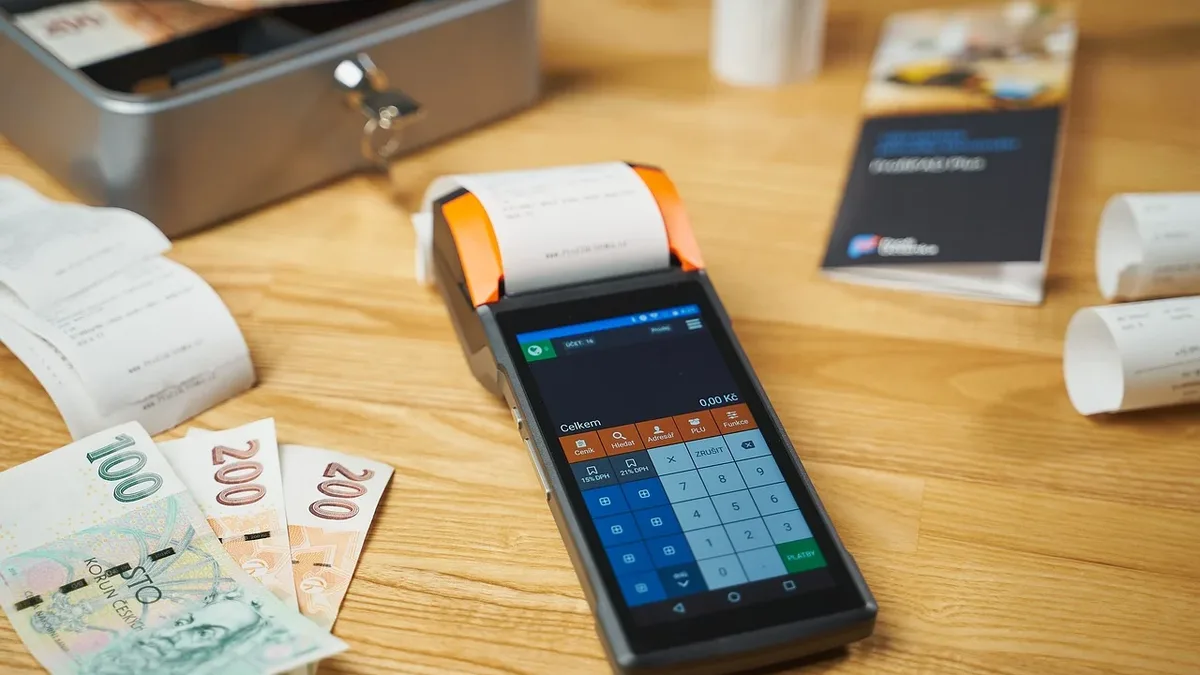
Corporate treasurers now face a maze of payment options, including wires, domestic clearing systems, real-time networks, and pay-to-card services, each with different combinations of speed, cost, and risk. Daniel Stanton of Bank of America said companies need to identify the specific use cases and business outcomes they are solving for, rather than focusing on the payment rail itself.
The core challenge is connecting financial data that resides in separate systems, such as enterprise resource planning software, treasury management systems, and various bank platforms. Stanton explained, "Many companies have access to significant payment, liquidity, FX and working capital data, but the challenge is connecting that data throughout their ecosystem." He pointed to tools like application programming interfaces and the ISO 20022 messaging standard as ways to close these gaps, enabling systems to automatically select payment rails based on company priorities like speed or cost.
Risk management must also accelerate, as real-time payments reduce the usefulness of post-transaction fraud controls. Stanton emphasized the need for pre-execution tools like beneficiary validation and anomaly detection, stating, The best fraud prevention happens before the payment moves and not after. The goal is a connected environment where fewer steps depend on employees manually moving information between systems.