Home Based Production
| Country of origin | Varies by jurisdiction |
|---|---|
| Original use | To legally produce goods or provide services from a residential property |
| Owner-operator | Typically required |
| Governing rule | Local zoning ordinance or land use regulation |
| Typical products | Handcrafted goods, baked goods, packaged foods, small-batch items |
| Common restrictions | Noise, traffic, signage, number of employees |
| Permit required | Often, varies by locality |
Origin and history
Home based production as a formal business structure emerged in the late 20th century, particularly in North America and Western Europe. Its development was closely tied to the rise of affordable computing, the internet, and changes in manufacturing and supply chain logistics. Prior to this, cottage industries represented a pre-industrial form of home-based work, but the modern concept integrates global digital marketplaces. The model gained significant traction in the 1990s and 2000s as e-commerce platforms and digital payment systems became widely accessible. This period saw a shift from home-based work being primarily seen as informal supplemental income to a recognized, legitimate business entity. The formalization was further supported by changes in national tax codes and business registration systems to accommodate the growing sector.
What it is for
Home based production is a business model where an individual or family unit manufactures, assembles, or creates products primarily within their residence. Its core purpose is to allow an owner-operator to control the entire production process from a private dwelling, minimizing overhead costs associated with commercial premises. This structure is designed for creating tangible goods such as crafts, clothing, specialty foods, small-batch cosmetics, or electronic assemblies. It serves as a direct conduit for artisans and makers to reach consumers through online stores, craft fairs, or wholesale accounts without the need for industrial space. The model also functions to formalize what was once hobbyist activity into a tracked commercial enterprise. Furthermore, it provides a framework for individuals seeking to balance commercial production with domestic responsibilities or other constraints.
Pros and cons
A primary advantage is drastically lower startup and operational costs, as there is no expense for separate retail or industrial lease. The owner-operator also gains immense flexibility over working hours and the integration of work with personal life. Direct control over the entire production cycle, from sourcing to quality control, allows for rapid iteration and customization. A significant disadvantage is the severe limitation on scaling production, as physical space and the capacity of a single household are quickly exhausted. Common regrets involve underestimating the time and cost of complying with local zoning, health, and safety regulations, which can lead to fines or forced closure. Many who choose this model struggle with the erosion of work-life boundaries, leading to burnout when the home becomes a perpetual workplace. A frequent mistake is failing to properly account for the true cost of utilities, wear on home facilities, and self-employment taxes, which erodes perceived profitability.
Who it suits
This business structure suits self-motivated individuals who possess a specific craft skill or production knowledge and can work with minimal external supervision. It is appropriate for artisans, makers, and craftspeople whose product value derives from unique design or small-batch quality rather than mass-market price competition. It is a strong fit for individuals with significant domestic commitments, such as caregivers, who require a high degree of scheduling flexibility. The model suits those who are detail-oriented and capable of managing all business facets, from production and inventory to marketing and customer service, independently. It is less suited for people who require clear separation between their professional and personal environments for mental well-being. Ultimately, it is a viable path for those whose primary goal is to monetize a specialized skill or passion at a manageable scale, rather than pursuing rapid, large-scale business growth.
Latest Home Based Production news
Latest reporting
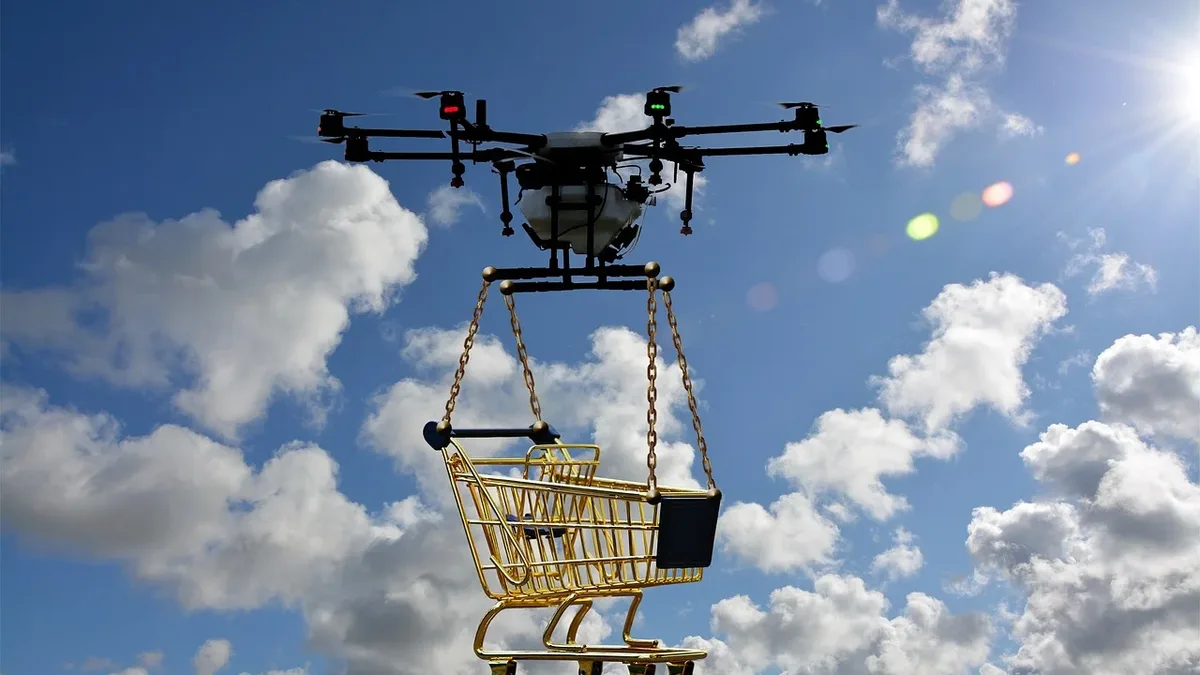
Lowe's launches drone delivery pilot in North Carolina
Lowe's is testing drone delivery with DoorDash and Wing in Matthews, North Carolina, offering 20-minute drops of tools and home improvement items to...

OpenAI hires Patreon executives to build
OpenAI has hired three key executives from Patreon, including co-founder Sam Yam, to lead a new Creator Product division focused on subscription-based

SolvaPay Builds Payments for AI Agents
FinTech firm SolvaPay is developing payment infrastructure for AI agents, addressing challenges like machine-readable payments and usage-based...
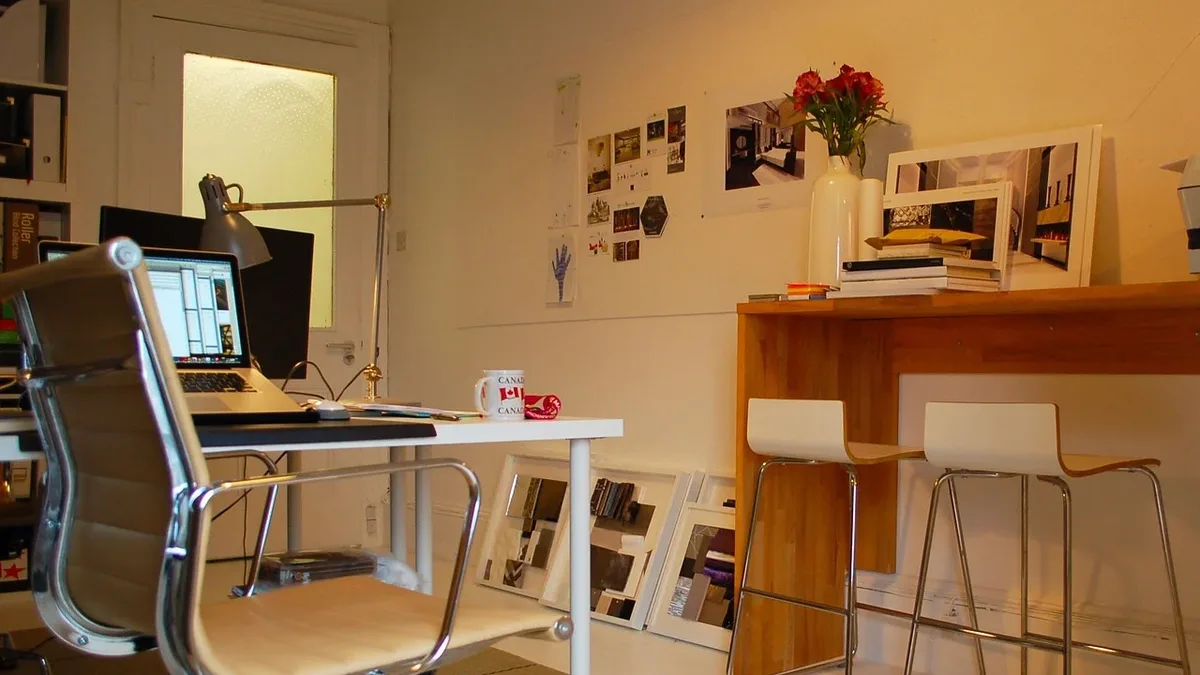
5 Small Business Ideas You Can Start From Home
According to Chris Morris, roughly half of the 36.2 million small businesses in the U.S. Are based out of people's homes.
Papa Johns Turns to Mexico as U.S. Sales Drop
Papa Johns reports an 8.3% decline in U.S. sales while its international arm sees a 1.5% rise in same-store sales. The chain has partnered with...

Bolsa Família Payments for August Begin This Tuesday
The Bolsa Família program, a government assistance program, has started making payments for August. The payments are made by the Caixa Econômica...