Card Machines And Processing Fees
Origin and history
The technology enabling card machines, known as point-of-sale (POS) terminals, originated in the United States in the latter half of the 20th century. The first electronic data capture for credit cards began in the 1970s, following the wider adoption of magnetic stripe technology on payment cards. These early systems required manual imprinters and telephone authorization before evolving into dedicated electronic terminals. The concept of processing fees is intrinsically linked to the development of the interconnected payment card networks, which established the financial frameworks for transactions. These fees emerged as a standard mechanism to distribute revenue among the various parties involved in authorizing, clearing, and settling a card payment. The modern fee structure and terminal technology became globally standardized in the 1990s and 2000s with the rise of digital networks and international card schemes.
What it is for
A card machine is a physical or virtual device used by a merchant to electronically accept payments from debit, credit, or prepaid cards. Its primary function is to securely read the card's data, transmit it for authorization, and facilitate the transfer of funds from the customer's account to the merchant's account. Processing fees are the costs charged to the merchant for this service, covering the infrastructure and security required for the transaction. These fees compensate the card-issuing bank, the payment network (such as Visa or Mastercard), and the merchant's acquiring bank or payment processor for their roles. The system is designed to provide a fast, reliable, and secure alternative to cash, reducing the risks of theft and bad debt for the merchant. Ultimately, it enables businesses to offer customers a convenient and widely expected payment method, which can increase sales potential.
Pros and cons
A significant pro is the increase in sales volume and average transaction value that businesses typically experience by accepting card payments, as customers often spend more than with cash. The system also greatly enhances security and accountability by reducing the need to handle large amounts of cash and providing detailed digital records of every sale. However, a major con is the direct cost of the processing fees, which can erode profit margins, particularly for businesses with very low average transaction values. Many owner-operators regret choosing a pricing model without understanding the difference between flat-rate, interchange-plus, or tiered pricing, often locking themselves into unnecessarily expensive contracts. A common mistake is failing to account for the cost of the terminal hardware, which can be provided through a lease with long-term obligations or an outright purchase. Furthermore, technical issues, connectivity problems, or sudden holds on funds by the processor can disrupt operations and cash flow at critical times.
Who it suits
Card machines and processing fees suit established businesses with consistent sales volumes where the convenience and sales lift demonstrably outweigh the cost of the fees. They are particularly suited to retail stores, restaurants, and service providers where the transaction values are moderate to high, making the fee percentage more manageable. This system also suits businesses that operate in environments where customers increasingly expect or rely on card payments, such as e-commerce or high-traffic urban areas. It is less suited to very small-scale or informal vendors, market traders, or businesses where the profit margin per item is extremely thin and the fees would consume most of the profit. Owner-operators who conduct thorough research on interchange rates and processor contracts are best positioned to benefit from the system. Ultimately, it suits merchants who view the cost as a necessary investment in customer service, operational efficiency, and business growth.
Latest Card Machines And Processing Fees news
Latest reporting
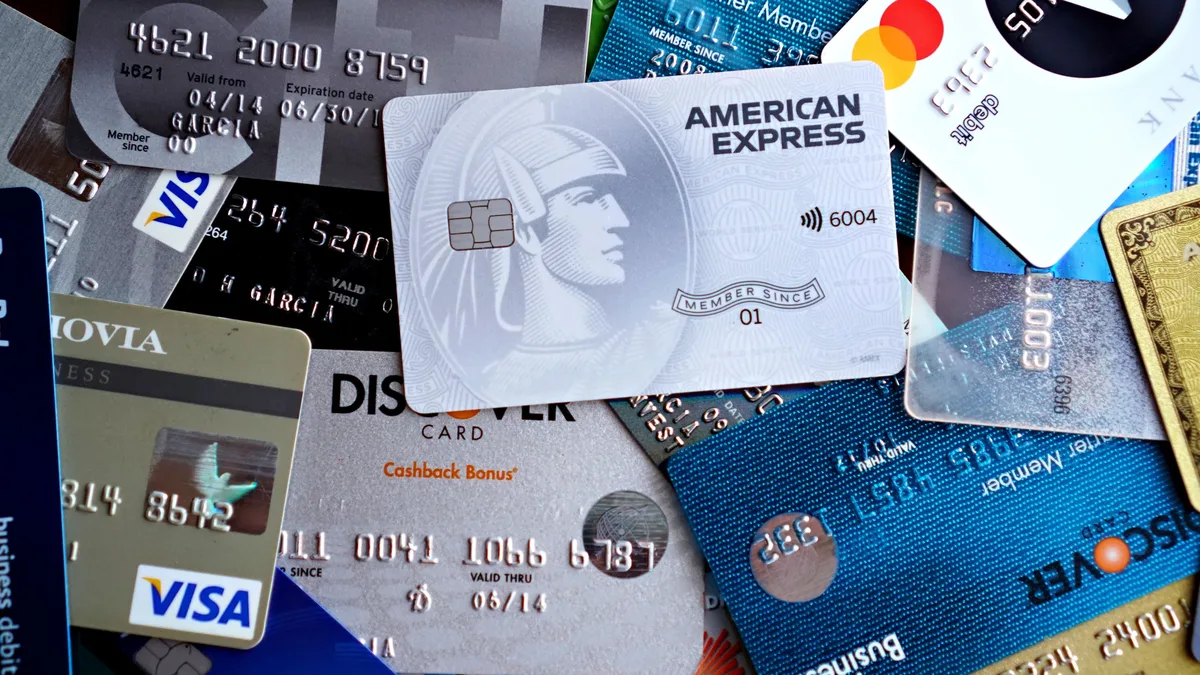
Federal Credit Unions Exempt From Illinois Swipe Fee Law
A U.S. District Court has ruled that federal credit unions are not subject to the Illinois Interchange Fee Prohibition Act, which bans swipe fees on...
Credit Card Installment Use Jumps 13 Points, Doubles BNPL
A PYMNTS Intelligence report finds credit card installment plan usage surged to 36% of consumers by March 2026, more than double the rate for...
Visa Launches Working Capital Program for Stablecoin Card
Visa has introduced a program using its payment network data and on-chain technology to help lenders provide working capital to stablecoin-linked card

Banks Shift BaaS Focus to Deposits and Fees
Major U.S. Banks are adopting divergent strategies for Banking-as-a-Service, with some prioritizing deposit growth and others fee income, as revealed...
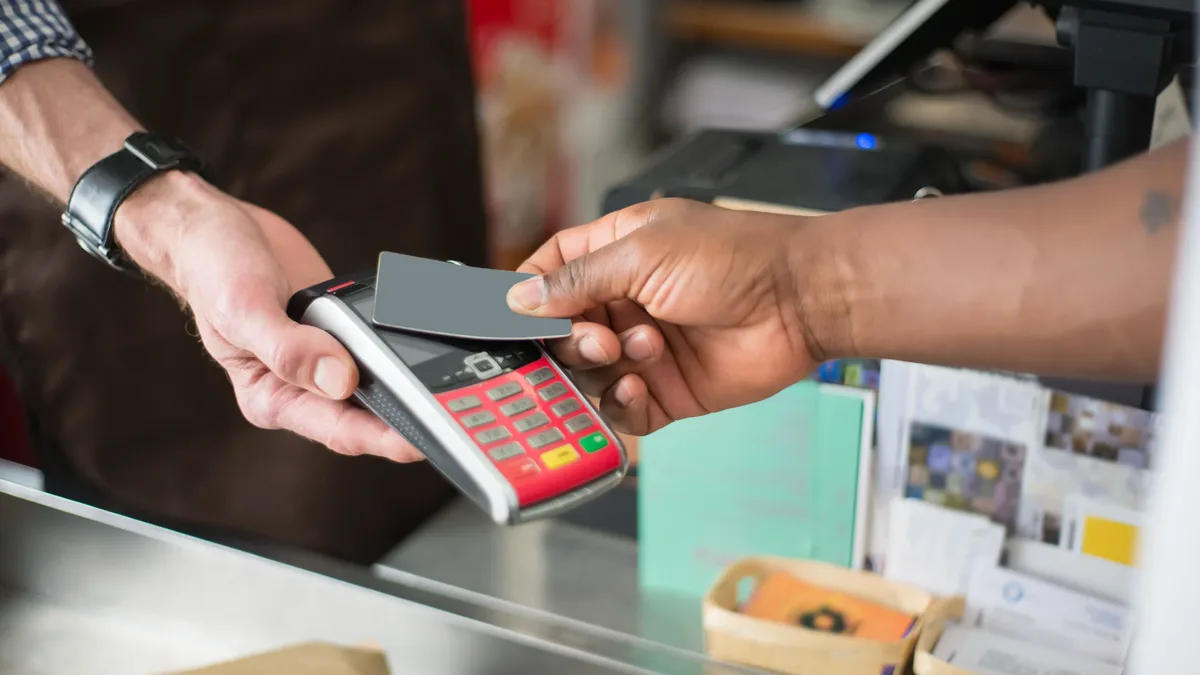
Shopline Adds Splitit Installments for Merchants
Shopline partners with Splitit to embed card-linked installment payments into its eCommerce platform, aiming to help its 700,000+ merchants boost...

Canva Adds Capitec Pay for South African Subscriptions
Canva now offers South African customers a subscription payment option via Capitec's account-to-account system, bypassing the country's low credit...