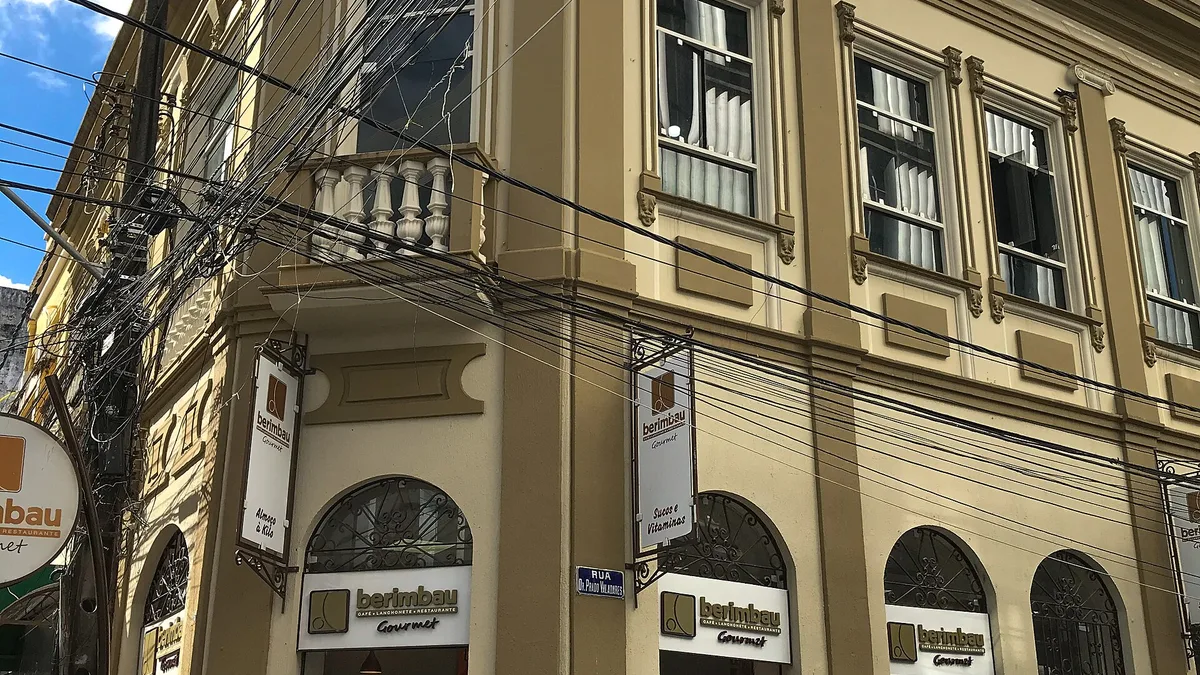
Lanchonete
| Country of origin | Brazil |
|---|---|
| First created | Early 20th century |
| Original use | Quick-service food and drink counter |
| Typical size | Small to medium |
| Primary offerings | Savory snacks, sandwiches, beverages |
| Typical service model | Counter service |
| Common ownership model | Owner-operator or family-run |
Origin and history
The lanchonete is a distinctly Brazilian establishment, originating in the urban centers of southeastern Brazil in the early 20th century. Its emergence is closely tied to the country's rapid industrialization and urbanization during this period, which created a demand for quick, affordable meals for the working class. The concept evolved from simpler street-side kiosks and stands, known as "botequins" or "balcões," that served basic drinks and snacks. The term "lanchonete" itself, a diminutive of "lancho" (a light meal or snack), became standardized around the mid-20th century to denote these specific eateries. These establishments proliferated in cities like São Paulo and Rio de Janeiro, becoming integral to daily urban life and the commercial landscape. Their development reflects a broader social shift towards faster meal service outside the home, adapting to the rhythms of a modernizing workforce.
What it is for
A lanchonete is a casual, counter-service eatery designed primarily for serving quick meals, snacks, beverages, and simple desserts throughout the day. Its core function is to provide fast, inexpensive, and convenient food options for people on the go, often during work breaks or as a stop between daily activities. The menu typically focuses on Brazilian staples like sandwiches, savory pastries (salgados), fruit juices, soft drinks, coffee, and ice cream. Unlike a full-service restaurant, it emphasizes speed and efficiency, with customers commonly ordering and eating at a standing counter or taking food to go. The establishment also serves as an informal social hub in many neighborhoods, a place for brief encounters and casual conversation. Its operational model is built around high turnover and a limited but versatile menu that caters to a wide range of tastes and times of day.
Pros and cons
A primary advantage of operating a lanchonete is its relatively low barrier to entry compared to a full-scale restaurant, requiring less initial capital, smaller space, and a simpler kitchen setup. The business model benefits from high-volume sales of low-cost items, generating consistent cash flow from daily necessities like coffee and snacks. However, a significant con is the exceptionally tight profit margins, where minor fluctuations in the cost of staple ingredients like bread, cheese, or coffee can severely impact profitability. Many owner-operators regret underestimating the intense, physically demanding workload, as the need to be open from early morning until late evening to capture all dayparts leads to burnout. A common mistake is failing to differentiate the offering in a saturated market, leading to direct price competition with similar establishments and eroding already slim margins. Furthermore, the business is highly vulnerable to local economic downturns, as customers quickly cut back on discretionary spending like eating out, even at low-price points.
Who it suits
This business type best suits a hands-on, resilient individual who is prepared for long hours of direct customer service and operational management, as absentee ownership is rarely viable. It is a practical choice for entrepreneurs with strong local community ties who understand the specific tastes and routines of their neighborhood, allowing them to tailor their menu and hours effectively. Individuals with experience in fast-paced retail or food service, who can efficiently manage inventory, control food costs, and maintain consistent speed of service, are more likely to sustain the operation. It is less suited for those seeking high individual profit or a scalable business concept, as success is typically confined to a single location and directly tied to the owner's daily presence. The model can also provide a stable family-run business opportunity, where responsibilities can be shared among members to manage the demanding schedule. Ultimately, it suits someone who values providing an essential community service over achieving significant financial growth or lifestyle flexibility.