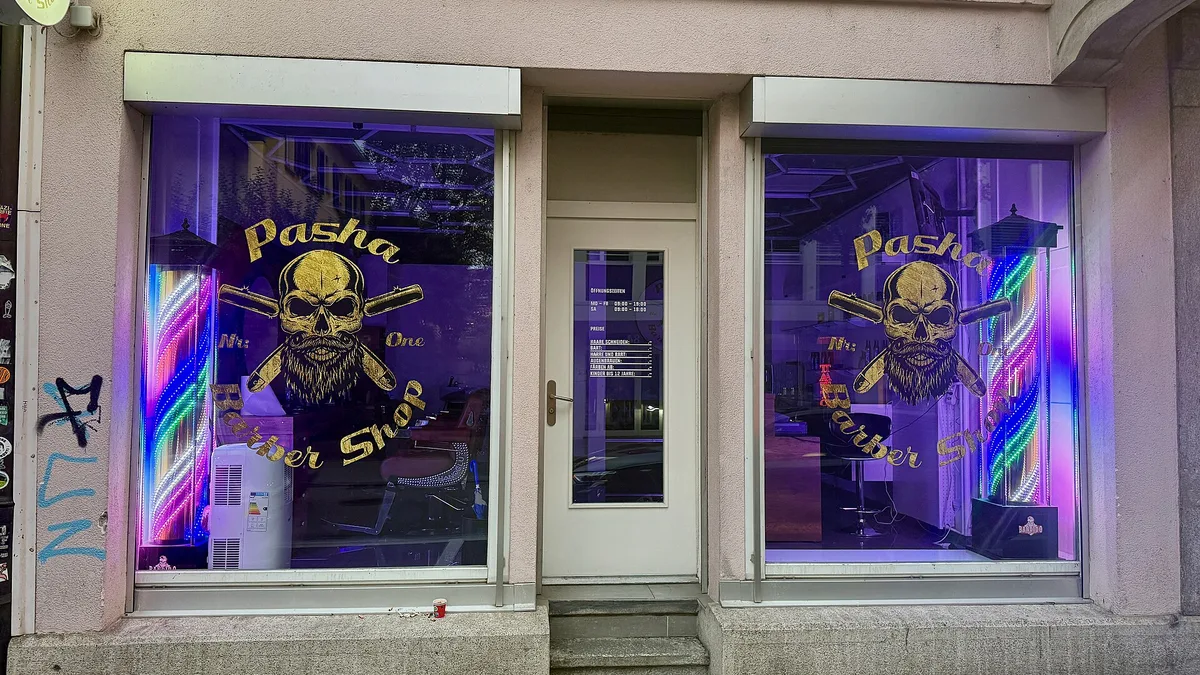
Barbershop
| Country of origin | United Kingdom |
|---|---|
| First created | Late 18th century |
| Original use | Men's grooming and social gathering |
| Typical services | Haircut, beard trim, straight razor shave |
| Typical staffing | Owner-operator or small team |
| Primary regulation | Local business licensing and health codes |
| Common business model | Walk-in and appointment, cash and card |
Origin and history
The modern barbershop, as a dedicated establishment for men's haircutting and grooming, traces its origins to Europe, with a particularly strong tradition in the United Kingdom. Its professional lineage can be followed back to the barber-surgeons of the medieval era, who performed both haircutting and minor surgical procedures. The recognizable symbol of the barber's pole, with its red and white stripes, historically represents the blood and bandages associated with these surgical practices. The distinct separation between barbering and surgery began to formalize in the 18th century, leading to the establishment of standalone barbershops. By the late 19th and early 20th centuries, the barbershop had become a ubiquitous social institution in many Western countries, particularly in the United States. This era solidified its role as a masculine social space centered around haircuts, shaves, and conversation, a model that persists in various forms today.
What it is for
A barbershop is a service business primarily focused on cutting, styling, and grooming men's and boys' hair. Its core service is the provision of professional haircuts using tools such as clippers, scissors, and razors. Beyond basic haircuts, traditional barbershops often offer straight razor shaves, including hot towel treatments and beard trimming and shaping. Many modern barbershops have expanded their services to include facial treatments, hair coloring, and scalp treatments tailored to male clientele. The business also serves as a retail point for grooming products like pomades, beard oils, aftershaves, and styling tools for at-home maintenance. Fundamentally, the barbershop provides a consistent, efficient, and skill-based grooming service, often within an environment designed to be comfortable and familiar for a male audience.
Pros and cons
A significant advantage of operating a barbershop is the recurring, predictable nature of the core service, as hair grows back and requires regular maintenance from a loyal client base. The startup and operational costs can be relatively manageable compared to other retail businesses, as the primary requirements are skilled labor, specific tools, and a suitably fitted space rather than extensive inventory. However, a major con is the intense local competition and the challenge of differentiating one's services in a market often saturated with both traditional barbershops and unisex salons. Owner-operators frequently regret underestimating the physical demands of the job, which involves standing for long hours and the repetitive stress injuries associated with cutting hair. A common mistake is focusing solely on technical skill while neglecting the business fundamentals of marketing, client retention systems, and financial management, leading to a busy chair but an unprofitable business. Furthermore, the business is highly sensitive to economic downturns, as grooming services are often among the first discretionary expenses that clients cut from their budgets.
Who it suits
This business type is best suited for individuals who are not only proficient barbers but also possess a strong entrepreneurial drive to manage all aspects of a small service business. It suits those who enjoy repetitive, hands-on craftwork and derive satisfaction from visible, immediate results and building personal rapport with a regular clientele. The owner-operator model is particularly fitting for individuals who value a high degree of autonomy over their schedule and business decisions, albeit within the constraints of client demand. It is less suited for people who dislike the constraints of a service-based schedule or who lack the interpersonal stamina required for continuous customer interaction throughout the day. Prospective owners must be prepared for the reality that their income is directly tied to the hours they work and the clients they serve, especially in the early years. Finally, it suits those who have a clear vision for their shop's niche, whether it be a traditional, nostalgic experience, a modern boutique focus, or a high-volume, efficiency-driven model, and who can consistently execute that vision.