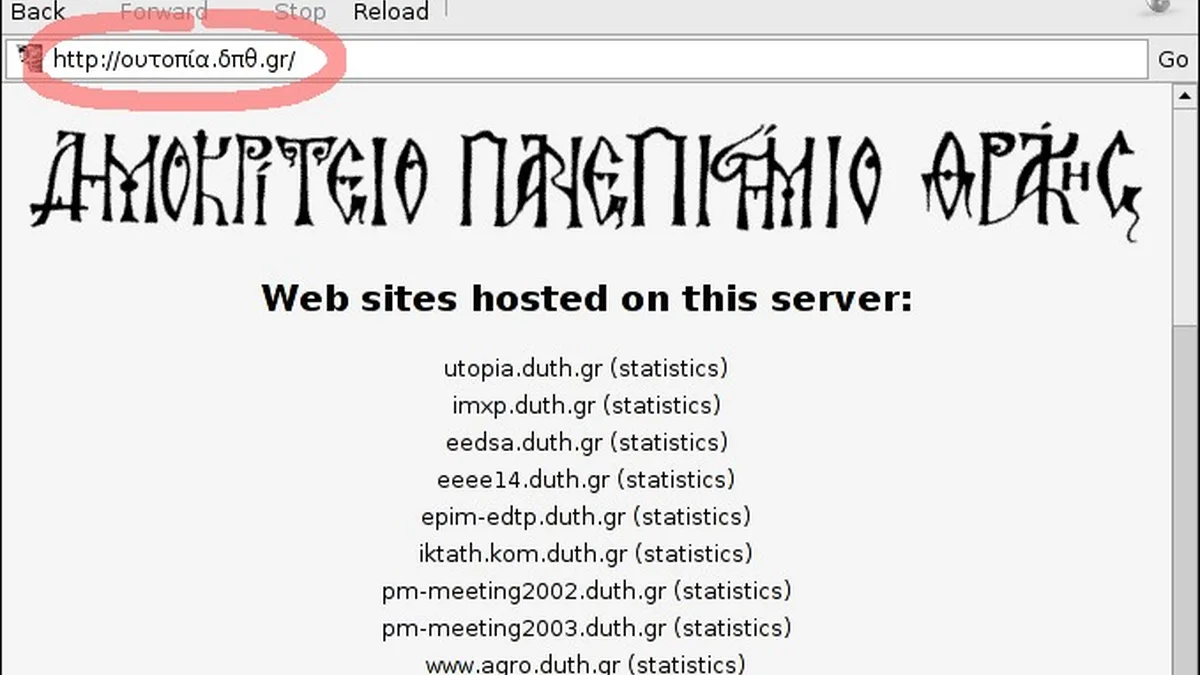
Domain Name And Social Handle Registration
Origin and history
The systematic registration of domain names began in the United States during the mid-1980s, following the creation of the Domain Name System (DNS). This coincided with the development of the early internet, then primarily used by academic and military institutions. The first recognized domain name, symbolics.com, was registered in 1985, marking the start of a formalized process for claiming unique web addresses. The concept of registering specific social media handles emerged much later, in the early 21st century, as major platforms like Facebook, Twitter, and YouTube gained widespread public adoption. These platforms created user registries requiring unique identifiers, which evolved into valuable digital assets known as handles or usernames. The practice of proactively securing these handles for branding purposes became common among businesses and individuals in the 2010s.
What it is for
Domain name registration secures a unique address for a website on the internet, allowing users to find and access online content through a memorable name instead of a numerical IP address. Social handle registration claims a unique username on a specific social media platform, creating a consistent and findable identity for an individual or organization on that service. The primary purpose is to establish and control a digital presence, ensuring that the chosen identifiers are not used by others. For businesses, this process is a foundational step in building a brand online, protecting trademarks, and creating a cohesive identity across different digital properties. It also serves a practical function by preventing impersonation or cybersquatting, where names are registered in bad faith to exploit another entity's reputation. This registration is a prerequisite for publishing content, engaging with audiences, and operating commercially on the web and social networks.
Pros and cons
A primary advantage is the establishment of a permanent, owned digital asset that can become integral to a brand's identity and customer recall over many years. Securing matching names across domains and social platforms creates a unified and professional presence, reducing customer confusion and improving discoverability. The process itself is typically straightforward and low-cost initially, providing significant long-term value for a minimal upfront investment. A significant con is the ongoing financial commitment, as both domain names and social handles require periodic renewal fees to maintain ownership, which can be forgotten. Registrants often regret choosing names that are too narrow, tied to a specific product or trend, which becomes limiting as a business evolves or pivots. A common mistake is failing to register across all relevant platforms and common misspellings, leading to brand dilution or losing traffic to competitors or squatters.
Who it suits
This process is essential for any business, organization, or public figure intending to establish a verified and controlled presence on the internet and social media. It particularly suits startups and new ventures at their inception phase, allowing them to secure their brand identity before public launch and announcement. Freelancers, artists, and consultants who market their personal brand online also benefit greatly from securing a consistent name across their portfolio and social profiles. It is a necessary step for entities operating under a legal trademark, as it helps protect that intellectual property in the digital realm. Even individuals seeking a long-term personal blog, project, or online archive will find value in registering a domain to have full control over their content. It is less critical for those planning only transient or anonymous participation on social platforms without a need for a stable, findable identity.
Latest Domain Name And Social Handle Registration news
Latest reporting

Bolsa Família Payments for August Begin This Tuesday
The Bolsa Família program, a government assistance program, has started making payments for August. The payments are made by the Caixa Econômica...

INSS Warns Beneficiaries of Life Prove Scams
The National Institute of Social Security (INSS) has issued a warning to its beneficiaries about a common scam involving fake life prove...
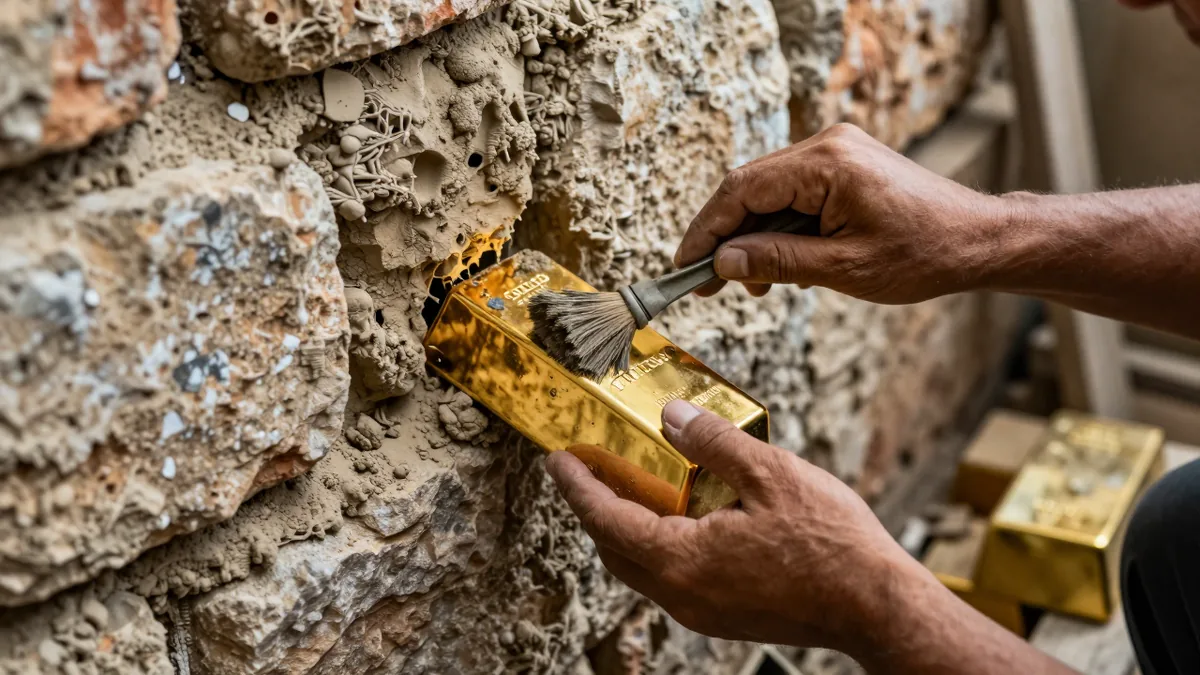
Belgian Workers Uncover $9 Million Gold Hoard in Basement Wall
Construction workers in Belgium stumbled upon a hidden treasure worth approximately €9 million (R$54.3 million) while renovating a property owned by...
PIS/Pasep Payments Reach Final Stage with Last Batch of the Year
The PIS/Pasep benefit for workers born in November and December and public servants with final registration numbers 8 and 9 has been released by the...

The Enduring Symbolism of Flowers in Farewells and Memory
Flowers have remained a universal symbol in funeral rituals across cultures and centuries, representing respect, memory, and the cycle of life. Their...