Selling Wholesale To Other Shops
| Country of origin | United Kingdom |
|---|---|
| First created | Late 20th century |
| Original use | To enable independent retail businesses to source products from other independent makers and small-scale producers. |
| Typical business structure | Sole trader or limited company. |
| Common governing rule | Business-to-business (B2B) trade regulations. |
| Typical transaction method | Invoicing with payment terms. |
| Primary customer relationship | Trade customer, not end consumer. |
| Common product categories | Artisan foods, craft supplies, handmade goods, boutique homewares. |
Origin and history
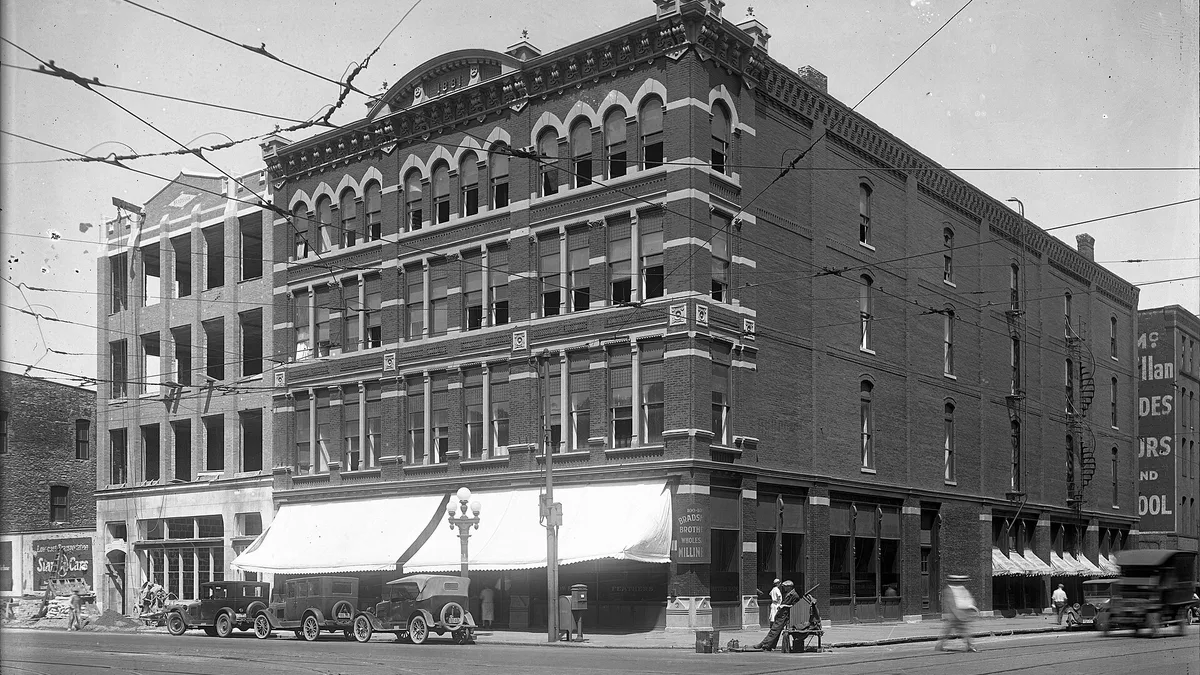
The commercial practice of selling wholesale to other shops emerged as a formal trade model in Europe during the late medieval period, alongside the development of guilds and centralized marketplaces. It became a standardized component of the multi-tiered distribution system that characterized industrialized economies throughout the 19th and 20th centuries. This model established a clear separation between manufacturers or large-scale importers, known as wholesalers, and the retail shops that sell directly to the public. Its formalization was driven by the need to efficiently move goods from points of mass production to geographically dispersed retail outlets. The structure allowed producers to sell in large volume lots, while retailers could access a varied inventory without dealing directly with numerous manufacturers. This historical supply chain remains a foundational element of global commerce, though its specific implementation varies by industry and region.
What it is for
Selling wholesale to other shops is a business-to-business (B2B) model designed to distribute products in bulk quantities from a supplier to a retail business. Its primary function is to bridge the gap between production or large-scale importation and the final point of sale to consumers. The model enables retail shops to stock their shelves without the prohibitive cost and logistical complexity of ordering directly from every manufacturer. For the wholesaler, it provides a predictable sales channel focused on volume and repeat business, rather than individual customer transactions. This system also allows for the aggregation of products from various sources, giving retailers access to a curated assortment from a single supplier. Furthermore, it serves to manage inventory risk, as wholesalers often hold large stocks, allowing retailers to order smaller quantities more frequently.
Pros and cons
A significant pro of selling wholesale is the potential for stable, high-volume revenue from a relatively concentrated customer base of retail businesses. This model can streamline operations, as orders are typically larger and less frequent than in retail, and marketing efforts are targeted toward professional buyers. However, a major con is the substantial pressure on margins, as wholesale prices are significantly lower than retail, requiring meticulous cost control and efficient logistics to remain profitable. Wholesalers often regret entering the field without sufficient capital, as they must carry large inventories and frequently extend payment terms to their retail clients, creating serious cash flow challenges. A common mistake is underestimating the customer service and relationship management required, as shop owners expect reliable fulfillment, responsive communication, and flexible problem-solving. Furthermore, the wholesaler is heavily exposed to the financial health and buying decisions of their retail customers, making the business vulnerable to sector-wide downturns.
Who it suits
This business model suits established producers or importers who have achieved economies of scale and can operate efficiently on thinner per-unit margins. It is a natural progression for a successful retail shop that begins producing its own branded goods and seeks to expand its market reach through other stores. The model also suits individuals or companies with strong logistics, warehousing, and inventory management expertise, as these functions are core to wholesale operations. It is less suited to artisans or makers whose production is limited, highly variable, or uniquely personal, as the consistency and volume demands of wholesale can conflict with small-scale craft. Entrepreneurs with robust industry connections and a deep understanding of a specific retail sector, such as gourmet foods or specialty outdoor gear, are well-positioned to succeed. Ultimately, it suits businesses that prioritize building long-term, professional B2B relationships over direct consumer marketing and brand building.
Latest Selling Wholesale To Other Shops news
Latest reporting

ND SBDC Highlights Partnership Strategy for Small Business
The North Dakota Small Business Development Center emphasizes its collaborative network with lenders, economic developers, and other state programs to
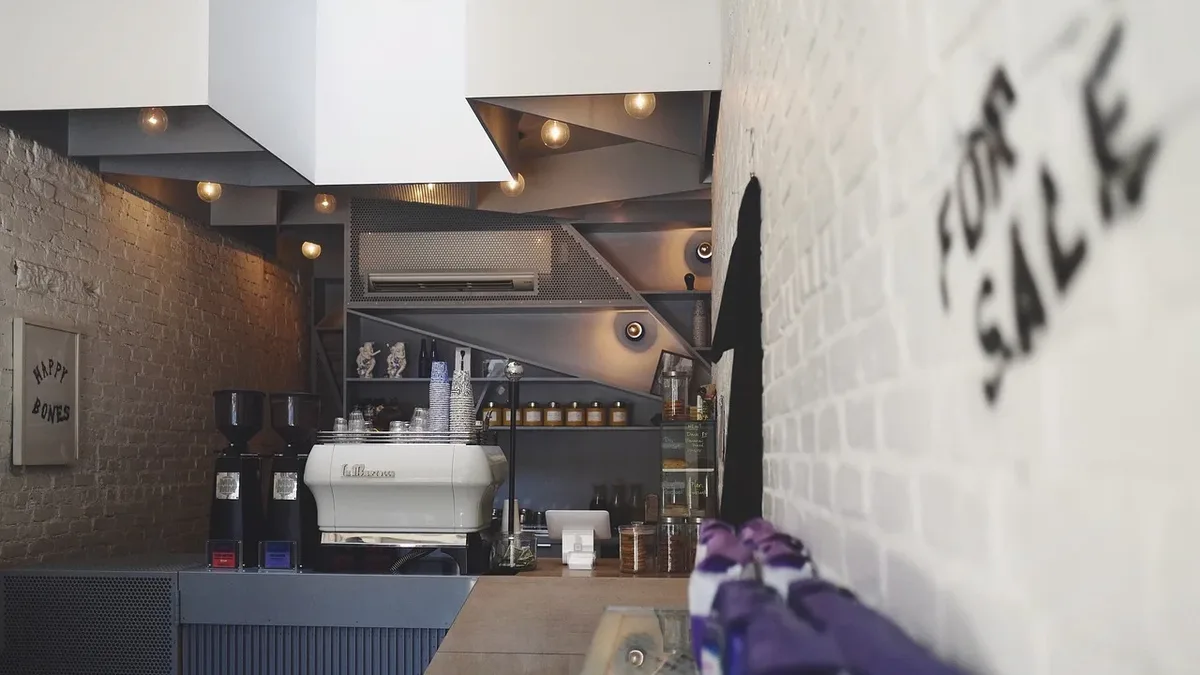
Cape Girardeau coffee shop closures highlight small business
The Ground-a-Bout closed all four of its shops, with the owner citing a hostile economic environment for small business.

Realty ONE Group: $15k Franchise Option
Realty ONE Group offers a low-cost real estate franchise with a minimum cash investment of $15,000, while other options such as Truly Nolen of...

Bank Strike: Understanding the Impact on Small Business Owners
A national 24-hour bank strike has raised concerns for small business owners who need to pay bills, withdraw cash, or conduct other banking...
Brazil's National Traffic Council Updates Alcohol and Drug Detection Tests for Drivers
The Brazilian National Traffic Council (Contran) has updated its guidelines for detecting alcohol and other substances in drivers, introducing a new...