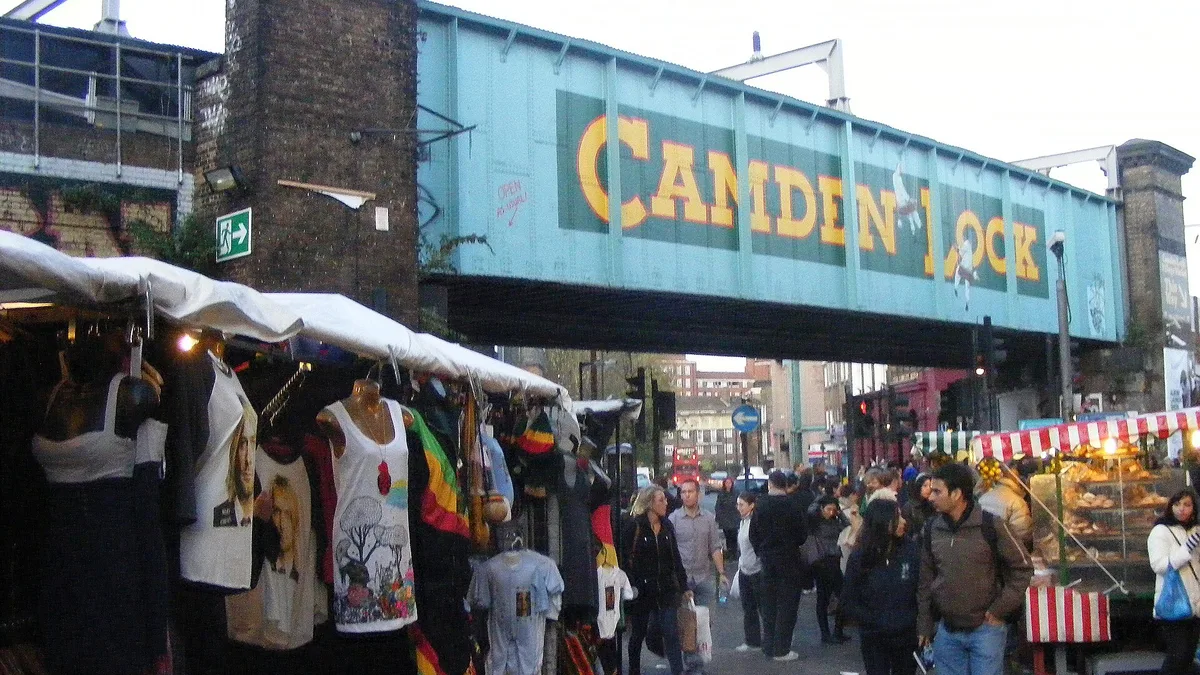
Market Stall And Street Trade
| Business type | Market Stall And Street Trade |
|---|---|
| Owner-operator | Typically a sole trader or partnership |
| Governing rule | Local authority street trading licence or permit |
| Typical goods | Food, produce, crafts, or general merchandise |
| Common location | Public street, market square, or designated pitch |
| Trading pattern | Often seasonal, weekend, or event-based |
| Physical setup | Temporary stall, cart, or vehicle |
Origin and history
Market stalls and street trade have origins in the earliest civilizations, where centralized marketplaces facilitated the exchange of goods. The tradition is particularly well-documented in ancient Mesopotamia and the Greco-Roman world, with organized open-air markets being a common feature of urban life. In medieval Europe, chartered markets and fairs, often sanctioned by royal authority, became crucial economic and social institutions in towns. The practice evolved significantly during the Industrial Revolution of the 18th and 19th centuries, as urban migration created dense populations requiring accessible, low-cost retail. Street vending in many Asian countries, such as those in Southeast Asia, has been a continuous and integral part of the economic fabric for centuries. This form of trade is not the invention of a single country but a global, historical development of retail and distribution.
What it is for
This business type provides a direct retail channel for goods, typically food, produce, clothing, or crafts, directly to consumers in public spaces. It serves to offer convenience and accessibility, bringing products to high-foot-traffic areas like transport hubs, tourist sites, and residential neighborhoods. A primary function is to enable small-scale entrepreneurship with minimal capital outlay for a physical storefront. It also fulfills a role in the food ecosystem by offering ready-to-eat meals and fresh, often locally-sourced, produce directly to the public. For artisans and producers, it creates a platform to sell unique or handmade items without the need for wholesale intermediaries. Furthermore, it contributes to the vitality and character of public spaces, adding to the social and cultural atmosphere of an area.
Pros and cons
A significant advantage is the low barrier to entry, requiring relatively small startup capital compared to a brick-and-mortar shop. Operators gain direct customer feedback and can quickly adapt their stock based on daily sales trends and seasonal demand. The business offers considerable flexibility in terms of working hours and location, though this is often regulated by permits. A major con is exposure to the elements, leading to lost trading days and potential damage to stock due to bad weather. Physical strain is a common issue, involving long hours of standing, manual setup and breakdown of the stall, and lifting heavy items. Many operators regret the choice due to inconsistent income, which is heavily dependent on footfall and can be severely impacted by economic downturns or changes in local regulations. A common mistake is underestimating the total operational costs, including permit fees, insurance, storage, transportation, and the depreciation of equipment.
Who it suits
This business suits individuals who are highly self-motivated, resilient, and comfortable with direct sales and customer interaction. It is well-matched for artisans, crafters, and small-scale food producers who wish to retain control over their sales process and profit margins. It can be a viable pathway for new entrepreneurs seeking to test a product concept or brand with minimal financial risk before scaling. The model often suits those who value a non-traditional work environment and have the physical stamina for demanding manual labor. It is less suited to people who require a predictable, stable income or who are unable to manage the administrative burdens of licensing and compliance. Successful operators typically possess a strong local knowledge of their community, customer habits, and seasonal patterns in their chosen trading area.
Latest Market Stall And Street Trade news
Latest reporting

Former Wall Street Trader's WashWise Spray Hits $10,000
Maria Cabral Menezes, 27, left finance jobs at JPMorgan and Citadel to launch WashWise, a 'dry shampoo for clothes.' Her Reset Spray product generated
Smallest Businesses Lag
Labor Day finds Main Street approaching the fourth quarter with more ways to sell, get paid and source goods than it had four years ago, alongside a

$2.5 Trillion Trade Finance Gap Targeted by AI FinTechs
FinTech startups are deploying AI to make small trade loans viable, targeting a global financing gap for exporters that stood at $2.5 trillion in...

Latin America Expansion: CFOs Must Evaluate Financial, Regulatory, and Operational Risks for Fintechs
CFOs of fintechs considering expansion to Latin America must evaluate financial, regulatory, and operational risks to ensure a successful entry into...

Navigating the Open Market: Strategies for Success in Accounting
For new accounting graduates, entering the job market requires a strategic approach. The accounting sector offers various opportunities, from...

Transparency and Innovation: Key Factors Strengthening Trade24Seven's Image
In the digital age, transparency has become a highly valued characteristic among consumers. Trade24Seven is following this market trend, emphasizing...