Home repair costs surge at fastest rate since 2024
Home repair and renovation prices rose at the fastest quarterly pace since October 2024, driven by climbing fuel and interest rates.
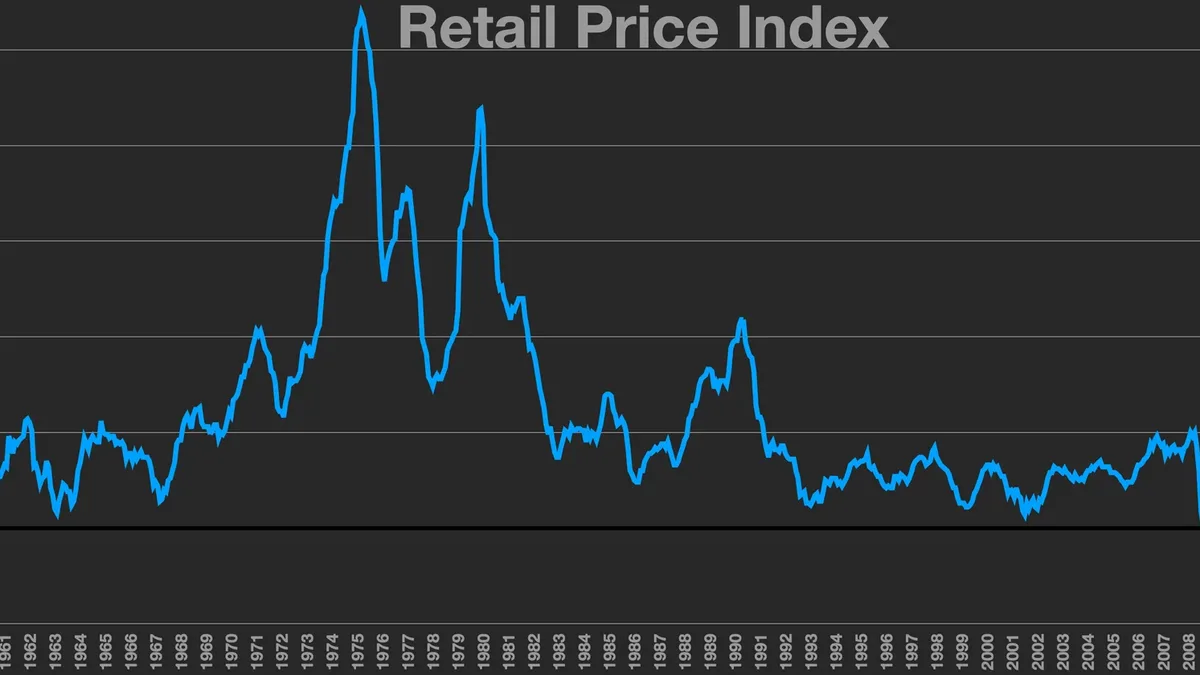
Home repair and renovation prices increased at the fastest quarterly rate since October 2024 in the three months through June. The cost climb is driven by rising fuel prices and interest rates, with repair and remodeling costs now up 64% since 2016.
Housing turnover has traditionally been a strong driver of home-improvement spending, but high mortgage rates have created a lock-in effect. This suppresses transactions and renovation projects, redirecting household cash first to essential repairs and leaving less for discretionary upgrades.
Manufacturer price hikes
Multiple manufacturers have already raised prices due to freight and material cost increases. Wall-and-ceiling manufacturer Armstrong World Industries increased prices in November after freight costs ran about 20% above a year ago. Paint producer Sherwin-Williams lifted prices 8% in September. HVAC manufacturer Carrier Global also pushed through increases, citing higher costs for steel, copper, aluminum, and shipping.
Armstrong World Industries CFO Mark Hershey highlighted the inflationary pressure. "Just to put it in perspective, this quarter was the most significant inflationary period that we’ve experienced since mid-2022," Hershey said.
Consumer spending shifts
Consumer demand is shifting amid these inflation pressures. Only 25.5% of consumers say that now is a good time to make a major household purchase. Furthermore, 20% of consumers said they had postponed a major purchase in the past 90 days, up from 18.3% in August.
Whirlpool CEO Marc Bitzer said some households are already postponing larger purchases and opting to repair appliances instead of replacing them. He noted, however, that 'at one point, people will replace it.'
2027 pricing strategy
Companies are planning further price increases for 2027 to offset ongoing inflation, with pricing seen as a key lever for profitability. Stanley Black & Decker CFO Patrick Hallinan said the company plans to address inflation in 2027 with productivity measures and pricing actions, with a price increase likely around the turn of the year. Whirlpool plans a 7% increase to U.S. prices in December.
Masco CEO Jonathon Nudi called pricing the 'last lever we pull' for potential 2027 actions. The company said pricing contributed to a 13% rise in adjusted operating profit in the third quarter. Reading, another executive, warned that additional cost increases are more likely to weigh on big-ticket discretionary projects, and that quicker run-ups in copper, oil-derived inputs, and freight could necessitate Masco raising prices in 2027.
Carrier anticipates inflationary pressures will continue into 2027. Carlisle expects that as expenses ease in 2027, today's pricing will become a tailwind, and it expects price hikes to align with cost inflation before 2026 ends. So far, higher prices have not dented demand or triggered pre-buying, according to CEO Christian Koch. The bottom line is that more household cash goes first to must-fix items, potentially favoring companies with products that homeowners cannot easily delay.