San Francisco Baklava Baker Struggles Amid AI Boom
Tolgay Karabulut, founder of BaklavaStory, details the financial strain of running a small bakery in San Francisco, where high labor costs and a soaring
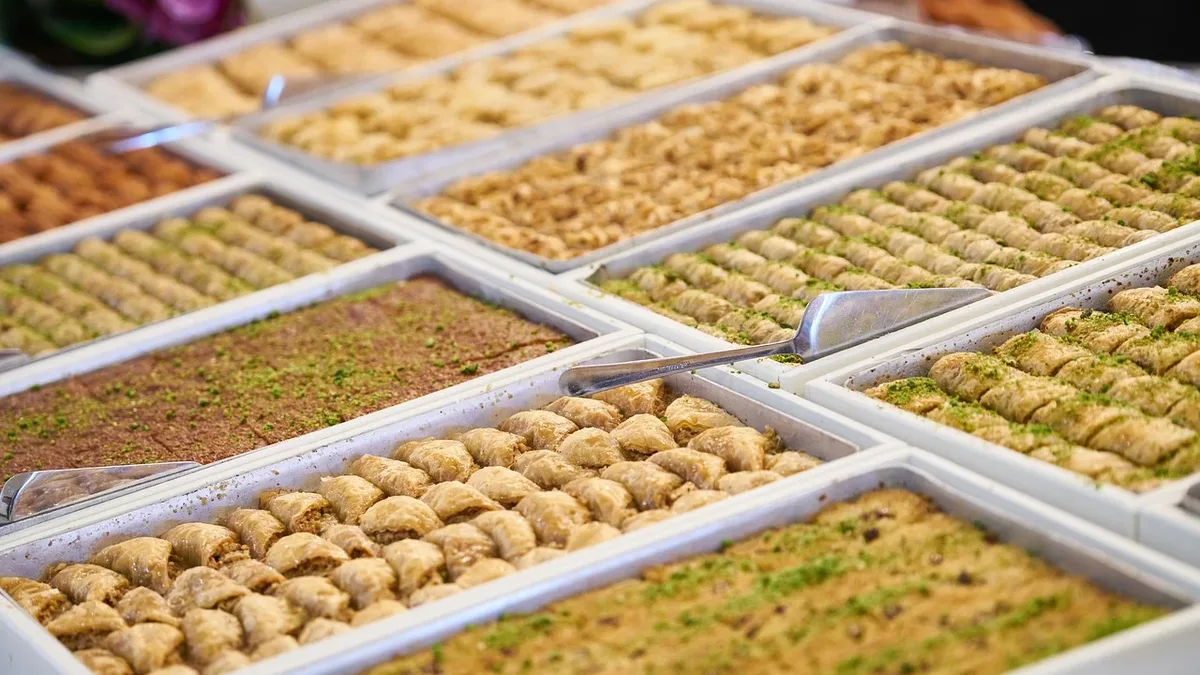
Tolgay Karabulut, the 43-year-old founder of BaklavaStory, questions his future after five years running his San Francisco baklava bakery. He told Business Insider that financial pressures in a city flush with AI money make continuing difficult.
Karabulut invested roughly $300,000, including borrowed money, to launch the business in 2022. He sells only baklava, made with hand-picked pistachios from Turkey, to ensure freshness.
The daily grind of a one-product bakery
Karabulut's workday starts at 5:40 a.m., Monday through Saturday. He and one staff member begin preparing filo dough in his 100-square-foot kitchen. The full seven-person team assembles trays, aiming for the first batch to be oven-ready by 8:30 a.m. For a 9:30 a.m. Opening.
Trays are baked approximately every 20 minutes to maintain freshness. The kitchen staff typically produces 50 to 60 trays, finishing around 2 p.m. Karabulut then continues baking alone until closing at 6 p.m. If customers demand it. He says he is usually exhausted by the time he gets home.
Labor costs dominate the budget
Labor is the bakery's biggest challenge and expense. Karabulut explained that manpower is expensive in California and his process is entirely manual. He strives to retain his team, even cooking daily lunches for them. Meals often include bulk items from Costco, like frozen pizzas that can feed the whole staff for about $20.
The squeeze from San Francisco's AI wealth
Financially, the business is tight. Karabulut said he took home only around $40,000 last year. He shares a rent-controlled apartment in Nob Hill, paying roughly $1,300 monthly for his half. He has looked for a one-bedroom apartment but finds prices skyrocketing and out of reach.
He contrasts his situation with the influx of AI money into the city. "We keep hearing about people at AI companies getting contracts worth $200,000 or $300,000 a year," he said. "For them, rent can feel like nothing. For the rest of us, it isn't."
His current priority is business growth, not a comfortable home. He dreams of a bigger kitchen, higher sales, and eventually his own apartment.
Customer passion fuels perseverance
Customer reactions make the struggle worthwhile for Karabulut. Hearing exclamations like "Oh my God, this is so good" makes his worries melt away. He has developed a specific instruction for eating baklava: turn the piece upside down so the drier top layer hits the tongue first. Seeing repeat customers teach this method to their friends fills him with pride. He concludes that while he dreams of a better life, he is already living his dream through his passion.