OpenAI's Astra Offers Banks Shortcut to Modernize Old
OpenAI's new GPT-6 Astra model can operate computers to bridge disconnected banking systems, offering an alternative to costly core replacements.
OpenAI has introduced a new AI model that could help banks automate tasks between their old and new software systems. The GPT-6 Astra model can operate a computer by reading screens and typing, acting as a digital bridge for incompatible technology without requiring a full, billion-dollar core system rewrite.
This approach targets a fundamental problem in banking infrastructure. The core systems that manage balances, loans, and payments are often 30 to 40 years old. Built before modern data standards, they cannot communicate directly with newer web-based tools. Banks have historically faced a choice between a multi-year, high-risk replacement or building expensive custom connections for each process.
The Scale of the Legacy Problem
Outdated technology is deeply entrenched in the financial sector. PYMNTS reported that systems written in the COBOL language, which dates to 1959, still run an estimated 95% of U.S. ATM transactions. Hundreds of billions of lines of this code remain in use. According to estimates from IT services firm DXC, cited by Amazon Web Services, more than 40% of banks still use COBOL-based cores. Also, 45 of the world's 50 largest banks rely on mainframe applications for critical operations.
Replacing these systems is notoriously difficult. The Commonwealth Bank of Australia's core replacement took five years and cost over one billion Australian dollars. A 2018 platform migration at U.K. Bank TSB led to millions of customers losing access to services. Regulators later fined the bank 48.65 million pounds, noting it took eight months for service to return to normal.
How AI Agents Function as a Bridge
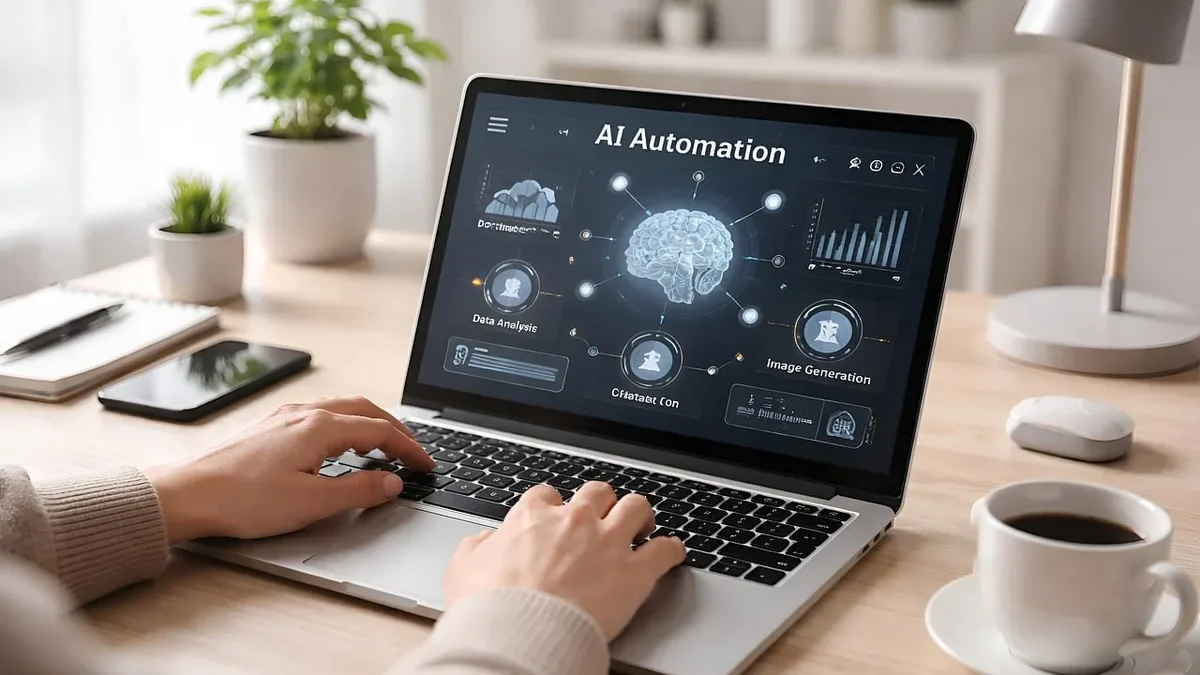
OpenAI's solution works differently from previous automation attempts like robotic process automation (RPA), which follows rigid scripts. The new AI agents are designed to observe a computer screen, decide on actions, and adapt to changes. For a bank, this means an agent could theoretically sit in an employee's chair, retrieve data from an old terminal, and input it into a newer system.
Other major tech firms, including Anthropic, Google, and Amazon, now offer similar agent technology. Goldman Sachs is actively testing this concept. The bank's Chief Information Officer, Marco Argenti, told CNBC it spent six months with embedded Anthropic engineers building agents for trade accounting and client onboarding. Argenti called them a "digital co-worker" for large, complex processes. He said the bank was surprised by the model's performance on accounting and compliance work and suggested it could eventually replace some outside vendors.
Current Capabilities and Limitations
While promising, the technology is still proving itself. OpenAI reported that its GPT-6 Astra model scored 72.6% on an offline version of the OSWorld 2.0 benchmark, completing tasks in about 40 minutes each. This compares to its predecessor's performance on the same test.
| Model | OSWorld 2.0 Score | Average Time per Task |
|---|---|---|
| GPT-6 Astra | 72.6% | ~40 minutes |
| GPT-5.6 Sol | 65.7% | ~75 minutes |
These benchmarks, however, are not equivalent to running a live bank process. The full OSWorld 2.0 test contains 108 long tasks, each taking a skilled human a median of about 1.6 hours. As of late June, the best-performing agent on a public leaderboard had only fully completed about 31% of these tasks from start to finish. The test's authors have warned that long, realistic tasks expose safety risks seldom seen in shorter tests, calling a truly trustworthy computer-use agent an open research problem.
GPT-6 Astra with computer-use capabilities is already available via OpenAI's API for developers to build upon. The final step for banks will be moving these agents from controlled tests into the chaotic reality of the back office, where screen layouts change and exceptions are routine.