Samsung's AI memory profit signals years of small business tech crunch
Samsung posted a record $80 billion quarterly profit driven by AI memory demand, warning a severe chip shortage will last through 2028, raising costs and procurement risks for small businesses.
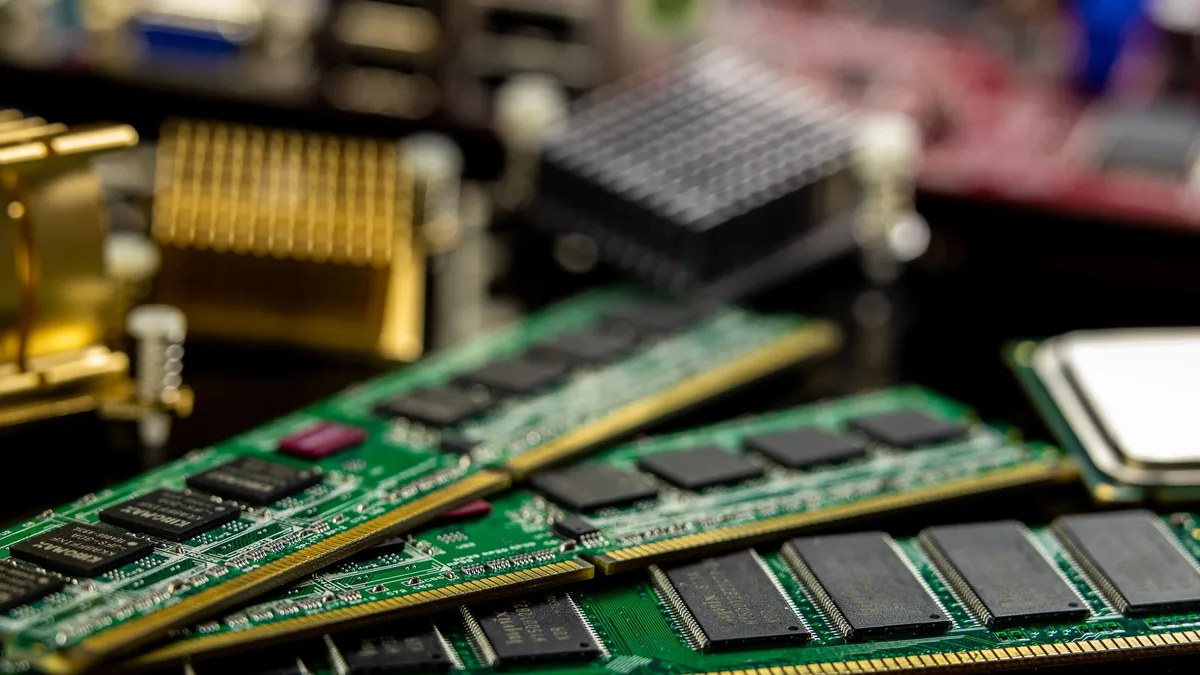
Samsung Electronics reported a record operating profit of 107.4 trillion won ($80 billion) in the third quarter of 2024. Its memory sales leapt 16% from the previous quarter and 427% from a year earlier, with total revenue hitting 195.3 trillion won.
The surge is powered by artificial intelligence. Demand for high-bandwidth memory (HBM) chips, which are essential for running heavy AI tasks, is drastically outpacing supply. Samsung's entire stock of advanced HBM4 chips planned for 2027 is already sold out.
The AI memory crunch
Samsung warns the global memory chip shortage will worsen in 2027 and last until 2028. The company expects AI infrastructure capital expenditure to reach a historic level as major tech firms accelerate data center investment. Jaejune Kim, executive vice president of memory at Samsung, explained that making larger, complex AI chips physically limits the supply of standard memory for consumer devices.
New chip factories take years to build, limiting near-term relief. Samsung and rival SK hynix plan a combined 800 trillion won investment in a South Korean chipmaking hub, but substantial new output is not expected until 2028. SK hynix separately projected shortages through 2030.
Market analysts confirm the pressure. "Memory has become one of the most important components in the AI hardware stack, often the gating semiconductor component," said Mike Howard of TechInsights. For businesses investing in AI, memory and packaging bottlenecks could delay hardware deployments.
Samsung is shifting its strategy to secure this high-demand market. It has signed long-term contracts with ten major clients, locking up 60 to 70 percent of its planned manufacturing capacity, and is negotiating with ten more.
What small businesses should watch
The prolonged shortage creates three key procurement risks for IT leaders setting budgets: supply and delivery delays, budget and performance uncertainty, and a lack of viable fallback options. A larger AI budget does not guarantee available hardware.
Everyday gadget prices are also expected to rise. As production shifts to advanced AI chips, output of regular memory for Android phones and budget laptops is dropping. Samsung states that extra manufacturing costs will be passed down to buyers, forcing gadget makers to spend more to secure basic components.
Samsung aims to strengthen its hold by supplying products tailored to AI needs. The company will begin mass-producing its next-generation HBM4E chips by the first half of next year.