Canadian Small Businesses Face 50% U.S. Tariffs
New U.S. Tariffs of 50% on $20 billion of Canadian goods are set to disproportionately impact small and medium-sized exporters, with some fearing closure.
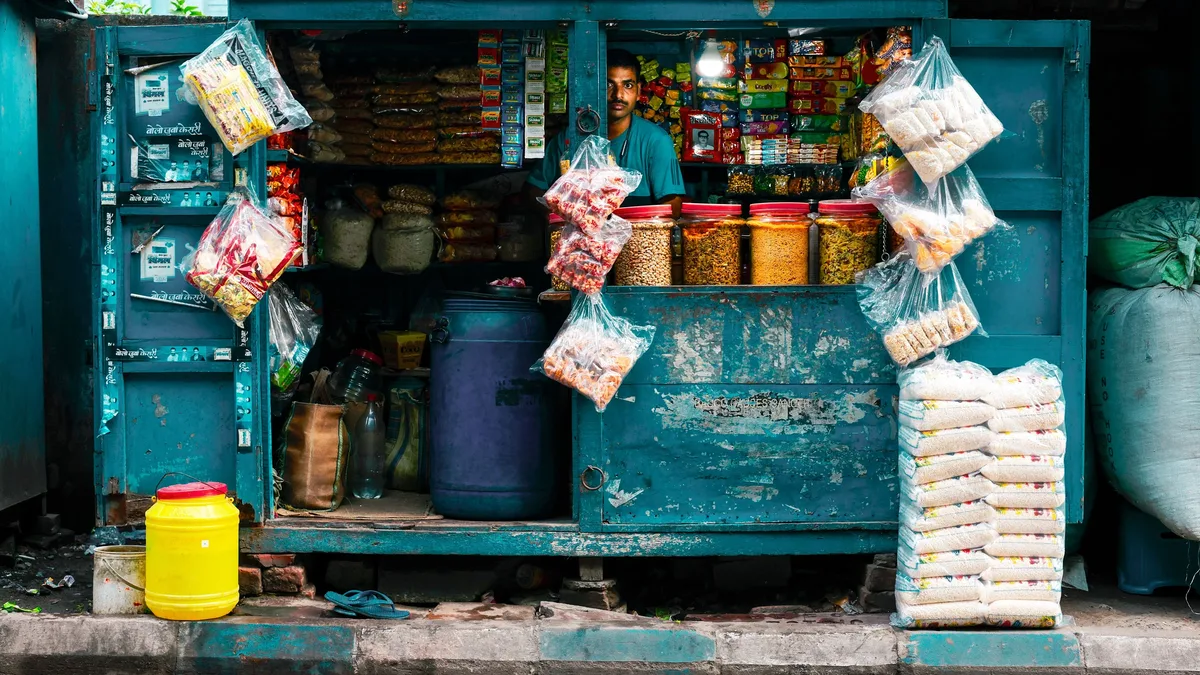
Canadian honey producers are feeling the sting from new U.S. Tariffs. Exporters of artwork, wool, cosmetics, and flowers also face the 50% levies on $20 billion worth of goods.
The Canadian economy overall is projected to withstand the tariffs, which cover about 5% of Canada's exports to the United States. The pain, however, is expected to fall heavily on small and medium-sized business owners. Some fear they could be forced out of business without a resolution to the trade dispute.
Industries in the Crosshairs
The tariffs target a wide range of products. Honey producers rushed exports after President Trump threatened the measures in July. The list extends far beyond agriculture to include manufactured and crafted goods. These sectors are often populated by owner-operated firms with tight margins.
The Scale of the Impact
The new policy imposes a 50% tariff on Canadian goods valued at $20 billion. This represents a significant portion of cross-border trade for many smaller enterprises. For context, the affected exports constitute roughly 5% of all Canadian goods sent to the U.S. Market.
The table illustrates the direct financial burden. A 50% increase in cost can erase profitability for businesses operating on slim margins.
Owner-Operator Fears
Small business owners are bracing for severe disruption. Their operations depend heavily on predictable access to the U.S. Market. The sudden cost hike threatens their viability. The Journal reports that some fear closure if the trade spat is not resolved.
These businesses lack the financial buffers of larger corporations. They cannot easily absorb the new costs or pivot to new markets. For them, the tariff is not a macroeconomic statistic but an existential threat.
The Political Context
The tariffs were announced by U.S. President Donald Trump. The move escalates ongoing trade tensions between the two nations. Canadian honey producers reacted swiftly to the July threat by accelerating shipments. The full impact of the 50% levy will now be felt across hundreds of product lines.
The report concludes that while the national economy may absorb the shock, the story is very different for individual small exporters. Their future hinges on diplomatic negotiations they cannot control.