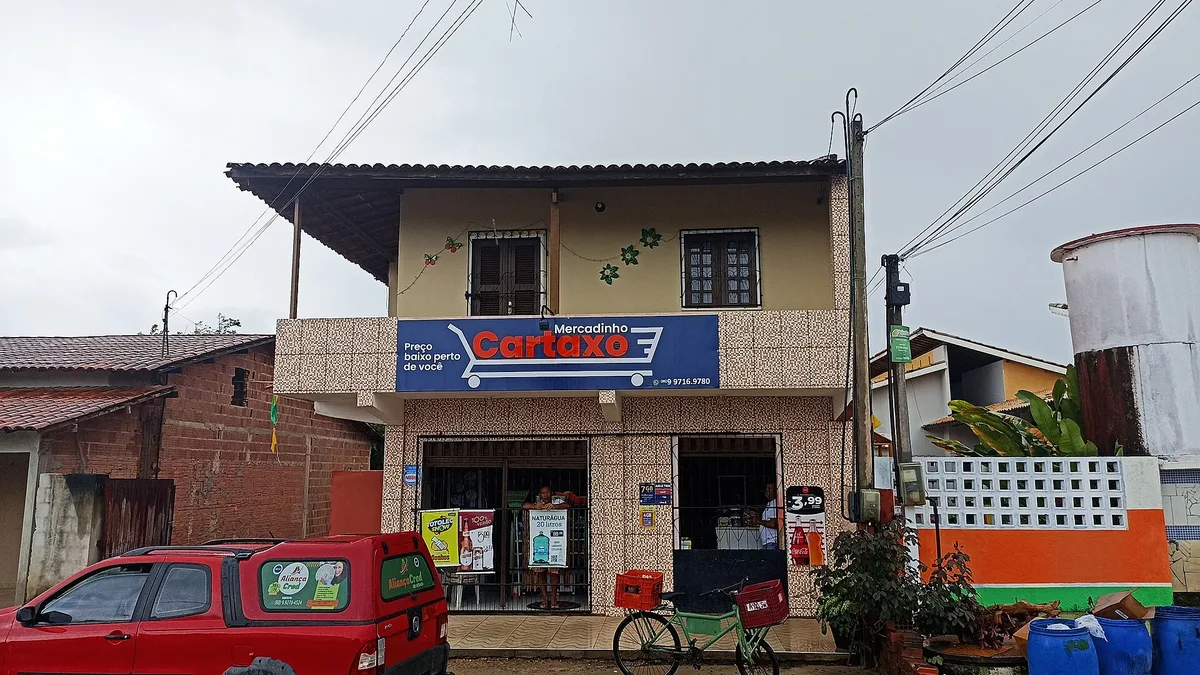
Mercadinho
| Country of origin | Brazil |
|---|---|
| First created | Mid-20th century |
| Original use | Neighborhood convenience retail |
| Typical size | Small to medium |
| Primary products | Staple groceries, household essentials, beverages |
| Service model | Counter service and/or self-service |
| Typical location | Residential street level, urban neighborhoods |
| Common ownership | Family-run or independent owner-operator |
Origin and history
The mercadinho is a small, owner-operated convenience retail establishment originating in Portugal. Its development is closely tied to the urbanization and daily life patterns of Portuguese communities throughout the 20th century. These stores emerged as essential neighborhood fixtures, particularly in residential areas not immediately served by larger supermarkets. Their proliferation accelerated in the mid-to-late 1900s as cities expanded and the demand for accessible daily goods grew. The model is also deeply established in Brazil, where it was adapted and became a fundamental part of the retail landscape from the latter half of the 20th century onward. The mercadinho's history is one of familial enterprise and community integration rather than corporate chain expansion.
What it is for
A mercadinho serves as a primary source for everyday essential items within a localized, walkable community. Its core function is to provide immediate access to a curated selection of food staples, cleaning products, basic toiletries, and often some fresh produce. It fulfills the role of a quick-stop shop for items a customer may have forgotten during a larger weekly supermarket trip or for urgent needs outside of standard retail hours. Beyond groceries, many mercadinhos also offer services like photocopying, mobile phone credit top-ups, or bill payment terminals, increasing their utility as a community hub. The inventory is frequently tailored to the specific tastes and demographics of the immediate neighborhood, stocking local brands or specialty items. Fundamentally, it exists to offer convenience, proximity, and personalized service that large-scale retailers cannot replicate.
Pros and cons
A significant advantage of the mercadinho is its unparalleled convenience and personal relationship with customers, often knowing patrons by name and their regular purchases. It typically offers longer operating hours than larger stores, including weekends and holidays, catering to non-standard work schedules. The business model has relatively low startup costs compared to a full-scale supermarket, making it accessible for many owner-operators. However, a major con is the severely limited purchasing power, which results in higher prices for most goods compared to supermarket chains, directly impacting customer spending. Inventory space constraints mean selection is narrow, often forcing customers to still visit larger stores for comprehensive shopping, and fresh produce variety and turnover can be a challenge. A common mistake by new owners is over-diversifying into non-core stock that doesn't sell, tying up critical capital in stagnant inventory, while the primary regret for customers is the recurring higher cost for a basket of staples.
Who it suits
The mercadinho business model suits an entrepreneur who seeks deep community integration and is prepared for long, hands-on hours managing all aspects of the operation. It is ideal for a proprietor who values customer relationships over scalable growth and possesses strong inventory management skills to operate with tight margins. This model suits neighborhoods with limited easy access to large supermarkets, such as dense urban areas, smaller towns, or suburban pockets without major retail development. It is also well-suited to communities with an aging population or lower mobility for whom walking distance is a critical factor. Customers who most appreciate a mercadinho are those prioritizing time and convenience over absolute cost, and who value the social interaction and reliability of a local business. Ultimately, it suits both an owner who wants to be their own boss in a stable, service-oriented trade and a community that sustains local commerce.