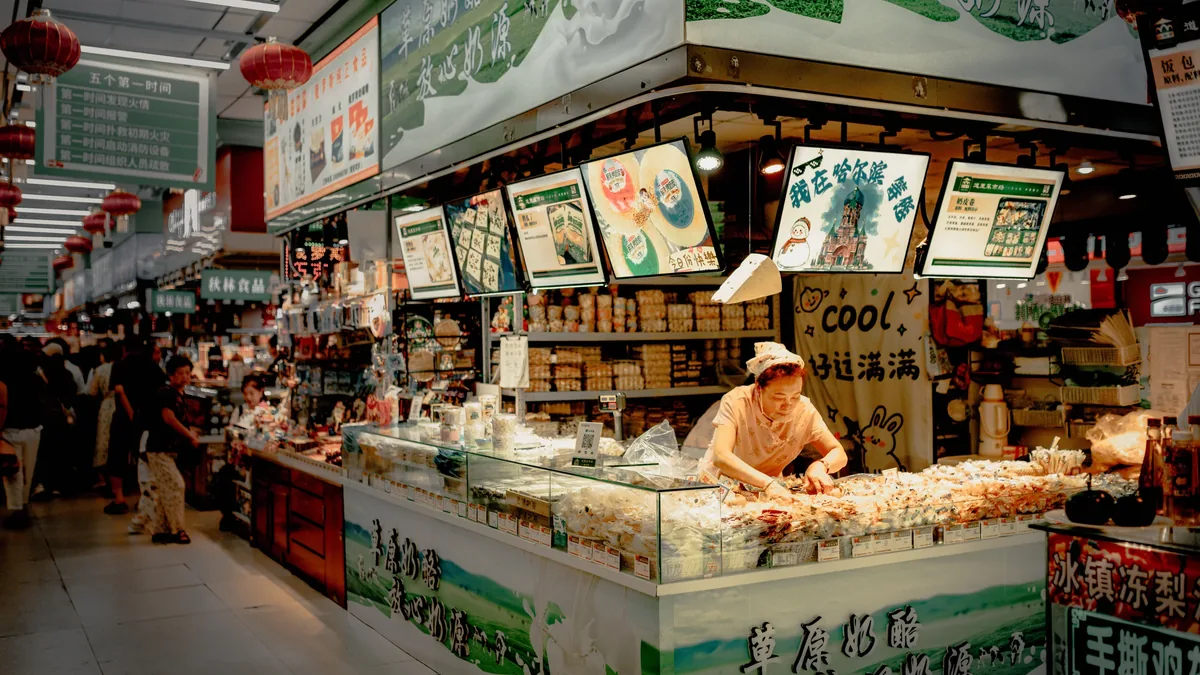
Market Stall
| Country of origin | Varies by specific market and tradition |
|---|---|
| First created | Ancient times (millennia) |
| Original use | Local retail of goods, often food or crafts |
| Typical goods sold | Fresh produce, prepared food, crafts, or general merchandise |
| Common location | Public square, dedicated market area, or roadside |
| Typical structure | Temporary or semi-permanent stall, cart, or tent |
| Primary operator | Owner-operator or family-run |
| Common regulation | Governed by local market authority permits and trading standards |
Origin and history
The market stall as a formalized business structure has ancient origins, with its practices traceable to the earliest permanent marketplaces in Mesopotamia around 3000 BCE. The concept of a temporary, designated stall for retail trade evolved significantly in the markets of the Greek agora and the Roman forum, where vendors paid for the right to occupy a specific space. Throughout medieval Europe, from roughly the 10th century onward, the chartering of towns included the right to hold a market, and stalls became a regulated feature of town squares. The system of licensing fixed pitches for specific market days became entrenched in English law from the medieval period, a model later exported through colonization. In many Asian regions, such as China and the Middle East, permanent covered bazaars consisting of contiguous stalls have operated for centuries as central economic institutions. The modern interpretation of a market stall as a mobile, owner-operated micro-business solidified during the 19th and 20th centuries with the formalization of municipal markets and peddler laws.
What it is for
A market stall is a business structure designed for the direct retail sale of goods or services from a temporary, often portable, physical setup in a designated market area. Its primary function is to provide a low-barrier, low-overhead point of sale for producers, artisans, and traders to access customers without the need for a permanent shopfront. This model facilitates the sale of perishable goods like fresh food, flowers, or baked goods directly to the public, often shortly after production or harvest. It also serves as a platform for selling handcrafted items, vintage goods, or specialty products directly from maker to consumer, allowing for immediate customer feedback. The structure is used for testing business concepts and product viability with minimal financial risk before committing to a more permanent retail location. Furthermore, it creates a concentrated hub of diverse vendors, generating a communal shopping experience and sustaining traditional forms of face-to-face commerce.
Pros and cons
A significant advantage is the very low start-up and operational cost compared to a leased retail unit, as there is no long-term rent, business rates, or significant utility bills. The owner-operator enjoys direct and immediate customer interaction, allowing for rapid adaptation of stock and the building of a personal reputation. Flexibility is another key pro, as the trader can often choose which market days to attend and can relocate to different events or areas to follow demand. However, a major con is the complete exposure to the elements, leading to lost trading days, damaged stock, and physically demanding work in all weather conditions. The business is also highly susceptible to poor footfall, which can be dictated by factors entirely outside the trader's control, such as the market's overall reputation, location, or competing events. Many who regret choosing this model underestimate the sheer physical labor of daily setup and breakdown, the inconsistent income, and the lack of storage and security for unsold stock, leading to burnout and stock spoilage.
Who it suits
This business type best suits hands-on producers, such as farmers, bakers, or artisans, who make their own goods and can achieve high margins by selling directly. It is well-matched for individuals with a strong independent streak who value autonomy over their schedule and product selection, and who enjoy the social aspect of direct sales. Entrepreneurs testing a new product line or business concept with minimal capital risk find the market stall an ideal experimental platform. It suits people who are physically resilient, organized, and capable of handling all aspects of the business solo, from sourcing and production to transport, sales, and accounting. The model is also a traditional pathway for first-time business owners and those seeking to build a local brand and customer base through personal interaction. Conversely, it is poorly suited for anyone seeking stable, predictable hours and income, or for those who require a controlled, comfortable retail environment.
Latest Market Stall news
Latest reporting
Federal Reserve warns AI concentration threatens small businesses
Federal Reserve Governor Michael Barr warned that AI's economic gains may concentrate among a few large firms, widening inequality and risking market...

Latin America Expansion: CFOs Must Evaluate Financial, Regulatory, and Operational Risks for Fintechs
CFOs of fintechs considering expansion to Latin America must evaluate financial, regulatory, and operational risks to ensure a successful entry into...

Navigating the Open Market: Strategies for Success in Accounting
For new accounting graduates, entering the job market requires a strategic approach. The accounting sector offers various opportunities, from...

Transparency and Innovation: Key Factors Strengthening Trade24Seven's Image
In the digital age, transparency has become a highly valued characteristic among consumers. Trade24Seven is following this market trend, emphasizing...