FIS and Ericsson Partner on Digital Wallet
FIS and Ericsson announced a partnership on September 1 to integrate FIS payments with the Ericsson Fintech Platform, aiming to help clients deploy digital wallet services faster.
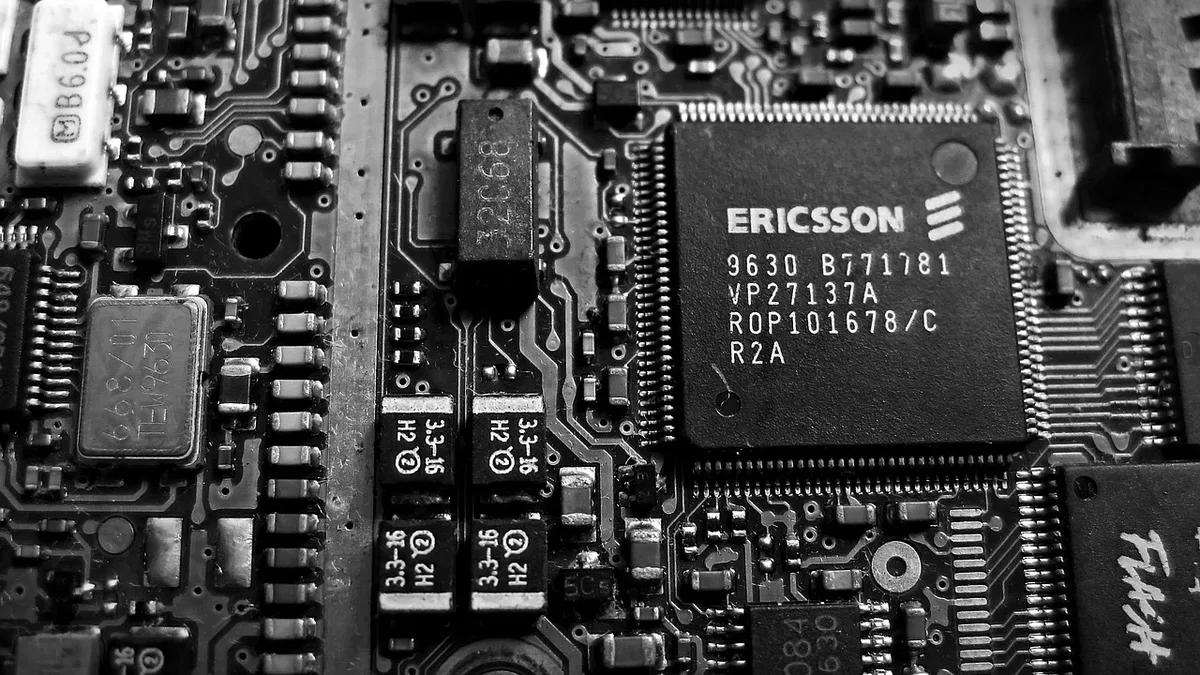
FIS and Ericsson have formed a partnership to integrate payment and issuing capabilities with wallet infrastructure. The companies announced the collaboration on Tuesday, September 1.
According to a news release, the integration aims to help client organizations bring wallet-led financial services to market more quickly. The goal is to offer consumers a more direct route to their money.
FIS President and CEO Stephanie Ferris said fragmented infrastructure often slows down such deployments. By working with Ericsson, FIS wants to remove that friction with trusted capabilities that come connected across the money lifecycle, Ferris stated. She said this would give clients a faster path from idea to deployment.
Ericsson's Fintech Platform Scale
The Ericsson Fintech platform provides the foundational technology for the partnership. The company says the platform processes approximately $80 billion in transaction value each month. This activity spans 24 countries.
The platform offers several core services. These include digital wallet infrastructure, digital identity solutions, ledger capabilities, and ecosystem orchestration tools.
Partnership Goals and Context
Ericsson's President and CEO, Börje Ekholm, framed the partnership within a broader trend. As money and value exchange become increasingly digital, Ericsson's FinTech offerings provide CSPs, enterprises and broader segments the confidence to innovate and scale, Ekholm said. He identified fintech as a clear growth area for Ericsson, driven by the convergence of connectivity and finance around mobile payments.
The Data Gap for Personalized Offers
Separate research highlights a challenge that advanced wallet services might help address. PYMNTS Intelligence recently collaborated with FIS on a report titled "The Smart Basket Opportunity: How Merchants Can Capture More Consumer Spending."
The research surveyed 60 merchants from grocery, retail, and restaurant sectors. A significant majority, 65%, reported that access to data hinders their ability to offer personalized promotions. PYMNTS called this constraint striking in a write-up on Monday, August 31, noting that many merchants do not consider their underlying data capabilities weak.
Despite this self-assessment, actual capabilities for personalization lag. Only 27% of the surveyed merchants said they can provide one-to-one offers in real time. A larger group, 40%, said they were still focused on mass-market or segment-based personalization.
The report concluded there is a gap between possessing customer data and being able to use it during an individual transaction. The new FIS and Ericsson partnership aims to streamline the infrastructure behind such financial services, potentially helping to close that gap for their clients. The companies position themselves as global leaders uniquely placed to harness the intersection of connectivity and finance.